
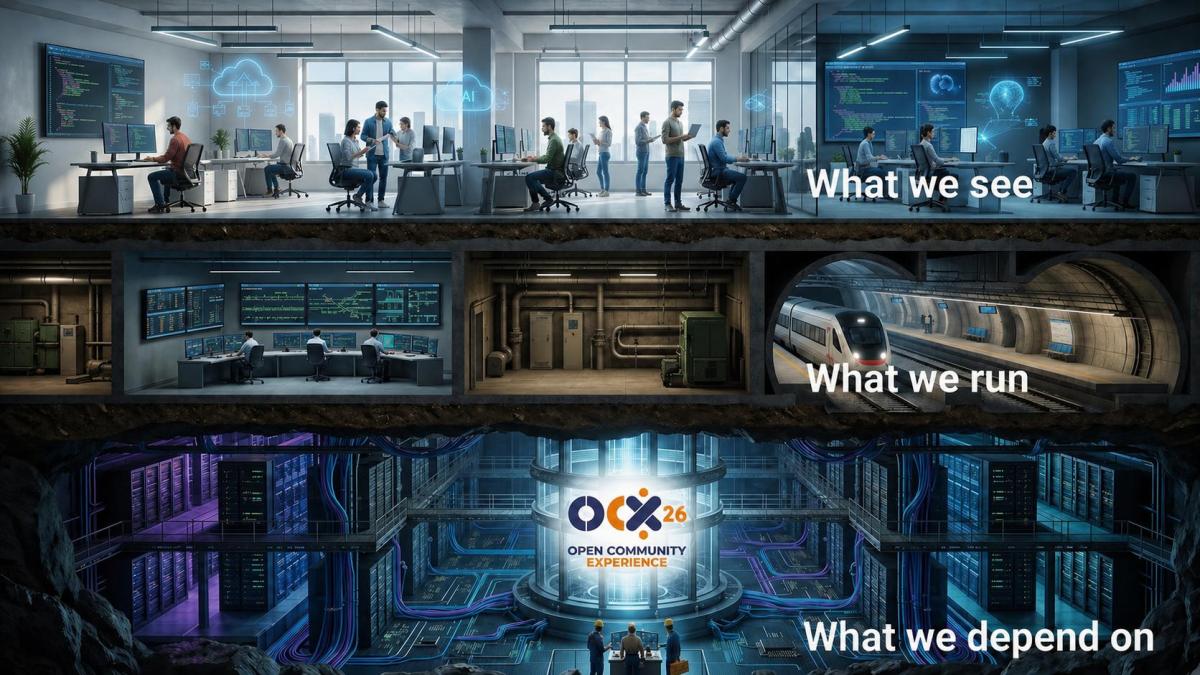
Not just for the talks, but for what it revealed about where we are heading. I spent the week at Open Community Experience wearing multiple hats, as part of the community, and as a working group program manager across Open Community for Tooling scope, and it is one of those rare moments where you come back both energised and slightly unsettled, in a good way.
Regulation is now part of the picture.
The discussions around the CRA (Cyber Resilience Act) were not abstract. They were grounded, practical, and sometimes uncomfortable. #Opensource is not the issue. But responsibility becomes very real as soon as you are part of a commercial value chain.
And having regulators, foundations, and industry actors in the same room, thanks to Eclipse Open Regulatory Compliance Working Group changes the nature of the conversation.
The panel discussions around the Cyber Resilience Act, with contributions from Juan Rico, Mike Milinkovich, Johan Klykens , Lola Fernandez , Maika FOHRENBACH, made that very tangible.
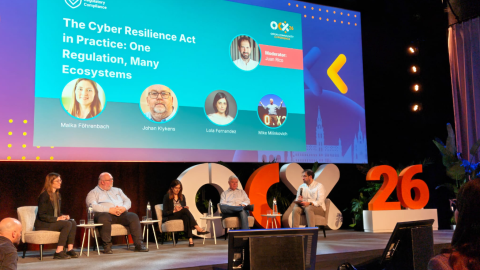
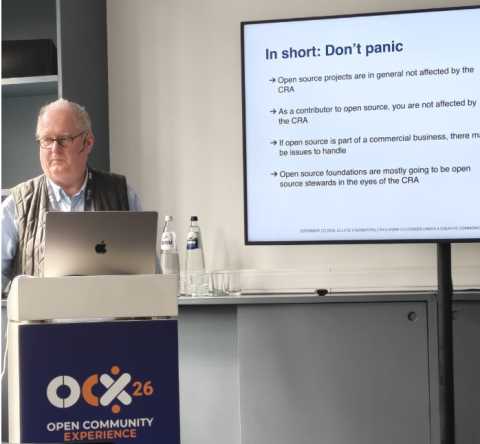
There is a clear shift happening, from interpretation to execution: btw, if you are looking for a concrete entry point, this is probably one of the most useful resources available: https://orcwg.org/cra/resources/. Thanks to Olle E Johansson, Shanda Giacomoni and the ORC team for these great insights. In short... "Don't panic" 😀, if you distribute software in the EU, addressing the security of your open source dependencies is no longer optional, and it goes well beyond simply generating an SBOM.
At the same time, the tooling landscape is evolving fast...
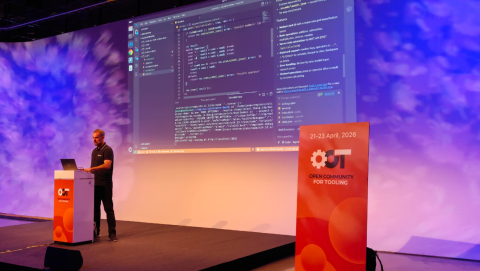
The growing list of adopters of the Eclipse Theia platform is another strong signal: AI is accelerating everything, and the impressive opening demo of Eclipse Theia AI by Jonas Helming was one of those moments where you realise that developer workflows are not just improving, they are shifting structurally. If you did not attend, you should definitely watch the replay!
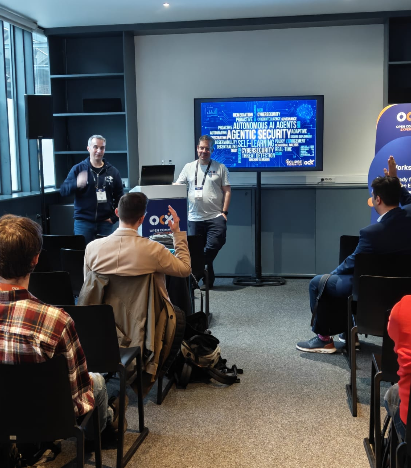
The "Security of agentic AI" BoF session, discussed with colleagues Michael Berns as head of AI at the Eclipse Foundation and Mikael Barbero our Head of Security, is already becoming a topic of its own.
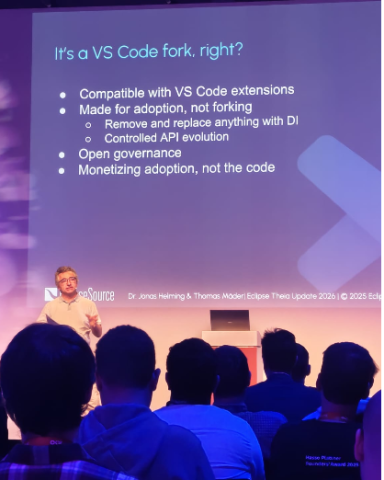
Another recurring discussion was around VS Code. Many teams are exploring alternatives, and some are even considering forking. But the deeper question is not really about the editor, it is about control, sustainability, and long term ownership of the stack you build on. I shared a more detailed perspective on this in a blog post a few months ago: https://blogs.eclipse.org/post/thomas-froment/why-cursor-windsurf-and-co-fork-vs-code-shouldnt
Launch of the Open VSX Registry Service
The announcement of the Open VSX Registry service by Gaël Blondelle and Thabang Mashologu, and its growing adoption across the ecosystem, including players like Cursor, Google, AWS and others, we are clearly moving into a world where the extension ecosystem is part of the product experience.
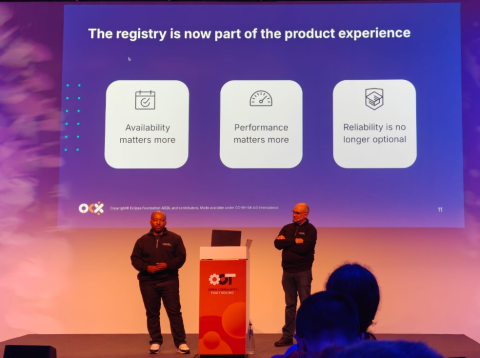
Not something you just consume. Something you need to understand, you may have a look at https://managed.open-vsx.org/ to know more about it!
It is important to note that Open VSX acts as the neutral distribution layer for VS Code-compatible extensions, enabling a vendor-independent extensibility ecosystem. The Open VSX registry service is designed for any tool that supports this extensibility format & API, not only VS Code derivatives. This includes platforms such as Eclipse Theia IDE (which is not a VS Code fork), as well as products like Google Antigravity and many others.
Eclipse Platform, RCP and IDE modernisation
It was one of the more nuanced themes throughout the week:
The initiative 31 report presented by Heiko Klare showed solid experimentation, and valuable learnings around the future of Eclipse IDE and RCP. At the same time, it is currently on hold due to a lack of contributors, which says a lot about the reality of sustaining such efforts.
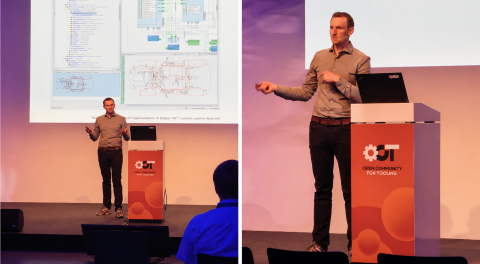
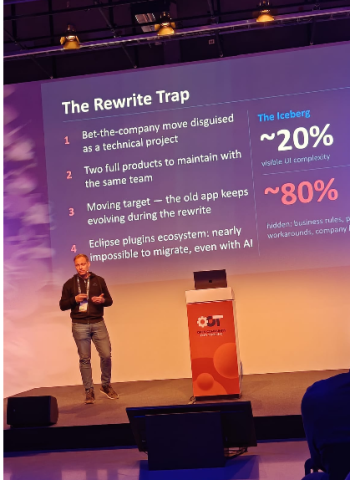
In parallel, it was interesting to see approaches emerging from outside the Eclipse ecosystem. The work of Sebastian Sampaoli's team on migrating and modernising RCP applications clearly resonates with real needs. Different approaches, different starting points, but pointing to the same underlying reality: there is demand, there is urgency, and no single solution yet.
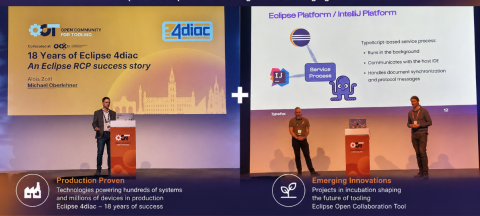
OCX brings together innovation and production-ready technologies
From production-proven technologies like Eclipse 4diac (credits to Alois Zoitl and Michael Oberlehner), powering hundreds of systems and millions of devices (sometimes billion of devices for Eclipse ThreadX!), to emerging projects in incubation like the Eclipse Open Collaboration Tool, presented by Jan Bicker and Miro Spönemann, the conference highlights the full spectrum of open source innovation. A great illustration of how mature systems and new ideas evolve together within the same community.
Beyond the talks, the community
The BOFs were, as always, where things really came alive.
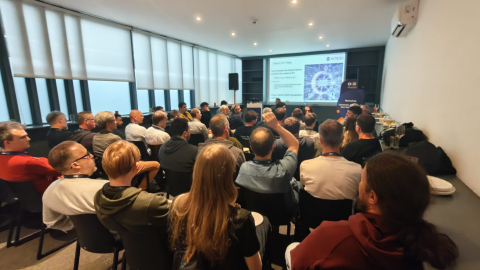
Packed rooms, open discussions, and conversations that continued late into the evening. Sessions with the Eclipse IDE and Cloud DevTools communities...
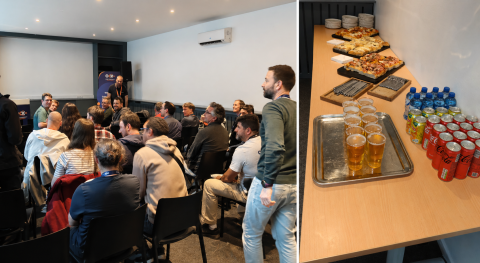
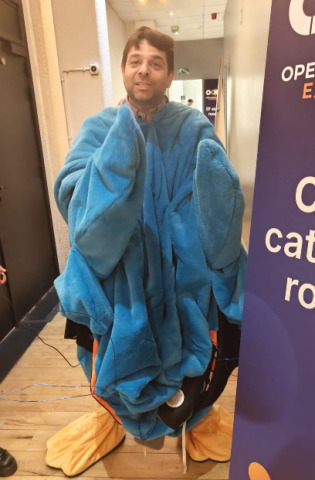
And then there are the moments that remind you this is a community before anything else. Seeing people like Matthew Khouzam am fully embracing the spirit of the event, sometimes in unexpected ways, is part of what makes OCX what it is.
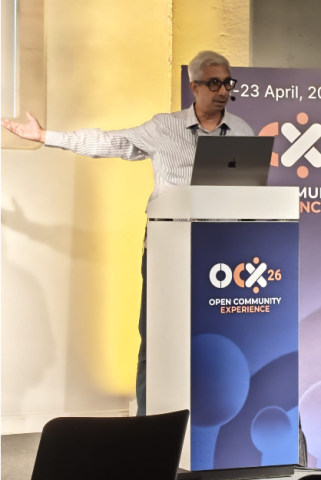
A special mention to Manoj N Palat: he travelled all the way from Bengaluru to be part of OCX, bringing with him years of experience in Java developer tools and a long standing commitment to the Eclipse ecosystem in India. It is easy to focus on projects and technologies. But people like Manoj are a reminder that communities are built and sustained by individuals who show up, again and again.
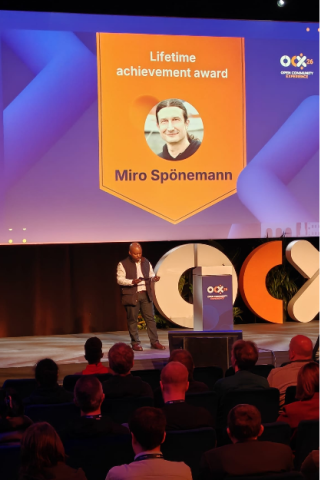
On a more formal note, it was also great to see Miro Spönemann receiving a well deserved Lifetime Achievement Award, recognising more than a decade of contributions, alongside the work of the 10 years of TypeFox team on projects like Theia, OpenVSX, OCT and Langium...
Different moments, different tones, but all pointing to the same thing: this ecosystem moves forward because people show up, contribute, and care!
- Open source is becoming infrastructure.
- Regulation is becoming operational.
- AI is accelerating everything.
But none of this works without Open Communities!


